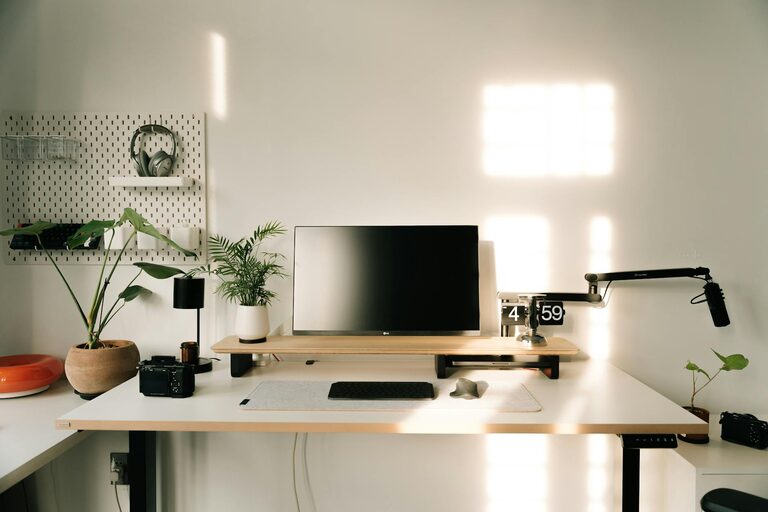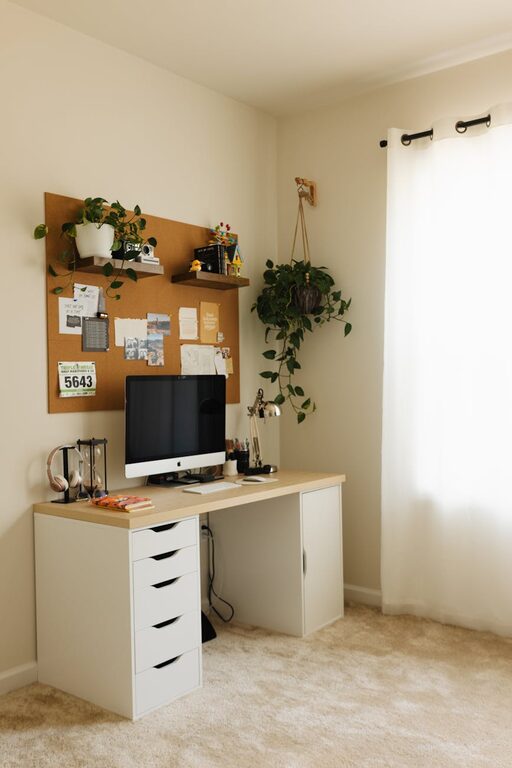
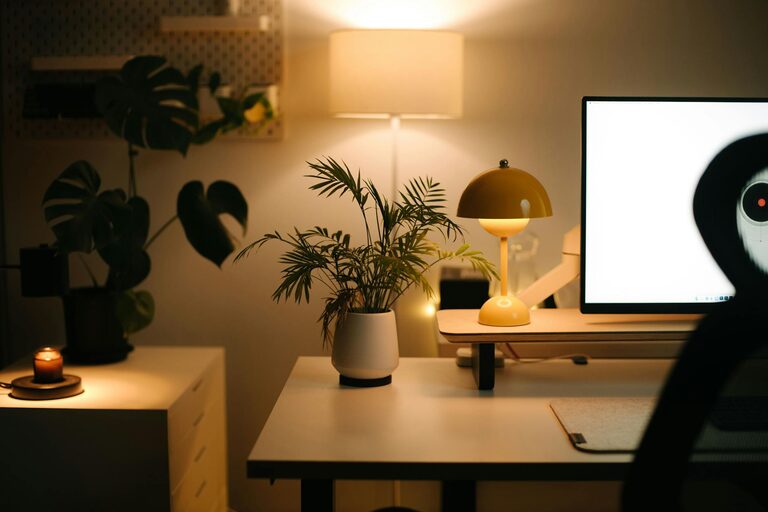
Creating a relaxing home workspace is essential for maintaining productivity and comfort, especially as more people embrace remote work or flexible schedules. When your workspace feels calm and inviting, it’s easier to focus, reduce stress, and stay motivated. Whether you have a dedicated room or just a corner in your living space, these tips will help you design a workspace that supports your work and well-being.
Choose the Right Location
Your workspace location sets the foundation for a productive environment.
– Natural light: Aim to set up near a window if possible. Natural light helps reduce eye strain and boosts mood.
– Quiet area: Select a spot away from household noise and distractions.
– Space availability: Ensure you have enough room for your desk, chair, and any necessary equipment without feeling cramped.
If space is limited, consider portable or foldable furniture arrangements to maximize your area.
Invest in Comfortable and Supportive Furniture
Comfort plays a key role in how long you can work productively.
– Ergonomic chair: Choose a chair that supports your back and encourages good posture.
– Desk height: Ensure your desk is at a comfortable height to avoid strain on your wrists and shoulders.
– Adjustable setups: Consider a sit-stand desk to alternate between sitting and standing throughout the day.
Small details like a footrest or cushioned seat pad can also increase comfort.
Keep It Organized and Clutter-Free
A tidy workspace promotes a clear mind.
– Storage solutions: Use shelves, drawers, or organizers to keep supplies and papers neat.
– Cable management: Secure cords with clips or ties to avoid tangles and reduce visual clutter.
– Minimalism: Keep only essential items on your desk to maintain focus.
Regularly declutter to prevent buildup of unnecessary objects.
Personalize Your Space
Adding personal touches makes your workspace inviting and motivates you to spend time there.
– Plants: Indoor plants improve air quality and provide a calming effect.
– Artwork or photos: Display images that inspire or bring joy.
– Color choices: Use soft colors or tones that promote relaxation, such as blues or greens.
Be mindful not to overcrowd the space with too many decorations.
Optimize Lighting
Good lighting reduces eye strain and maintains energy levels.
– Desk lamp: A lamp with adjustable brightness helps when working after natural light fades.
– Avoid glare: Position screens and lights to prevent reflections.
– Ambient lighting: Soft ambient light complements direct task lighting for a balanced setup.
Natural light during the day is best, so make the most of it when possible.
Minimize Distractions
Keeping distractions low helps you stay in the zone.
– Limit noise: Use noise-canceling headphones or white noise machines if necessary.
– Smartphone management: Turn off non-essential notifications or keep your phone out of reach during focused work sessions.
– Clear boundaries: If you share your home, communicate work hours and space boundaries to others.
Incorporate Break Areas and Movement
Taking breaks and moving around supports long-term productivity.
– Designate a separate spot: If space allows, create a small zone for relaxing or stretching.
– Use timers: Techniques like the Pomodoro method encourage regular breaks.
– Stretch and move: Gentle stretching or brief walks can ease muscle tension and refresh your mind.
Use Technology Wisely
The right tools help maintain productivity without causing frustration.
– Reliable internet: Ensure your connection supports video calls and file sharing smoothly.
– Organizational apps: Use digital calendars, to-do lists, or note-taking apps to keep tasks on track.
– Quality peripherals: Invest in a good keyboard, mouse, or headset for comfort and clear communication.
Regularly update and maintain your equipment to avoid technical disruptions.
Maintain Healthy Habits
Your workspace should support both your physical and mental health.
– Stay hydrated: Keep a water bottle nearby to encourage regular drinking.
– Proper posture: Regularly check your posture and adjust as needed.
– Air quality: Ventilate your workspace to keep fresh air circulating.
Building healthy habits within your workspace routine supports sustained productivity.
—
By thoughtfully designing your home workspace with these tips in mind, you’ll create a relaxing environment that boosts both comfort and productivity. Remember, your workspace should evolve with your needs, so feel free to adjust and personalize it over time. A well-designed workspace is an investment in your well-being and work success.