
Creating a productive home office environment is essential for anyone working remotely or managing tasks from home. A well-designed workspace promotes focus, reduces distractions, and helps maintain a healthy work-life balance. In this post, we explore simple yet impactful tips to transform your home office into a space where productivity can thrive.
Choose the Right Location
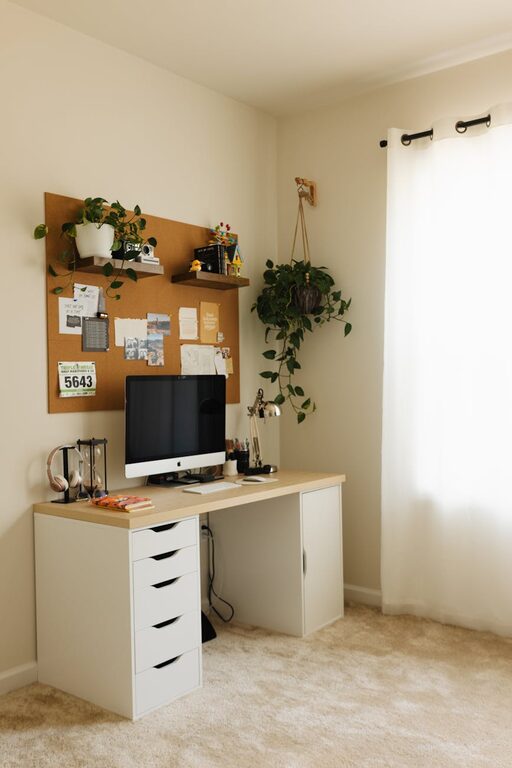
Selecting the right spot in your home for your office is a foundational step. Ideally, choose a quiet area away from high-traffic zones, such as a spare room, a quiet corner, or an unused dining area. Natural light is a bonus—it helps keep energy levels up and reduces eye strain. If natural light isn’t available, make sure to have good lighting that mimics daylight.
Invest in Comfortable and Supportive Furniture
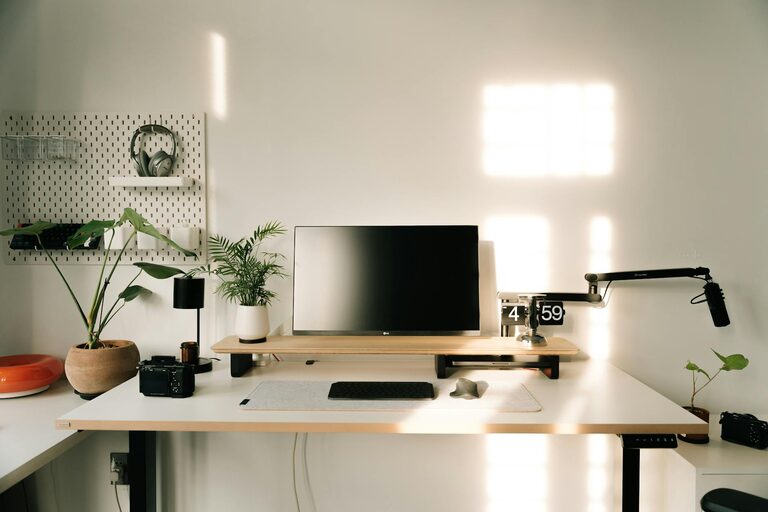
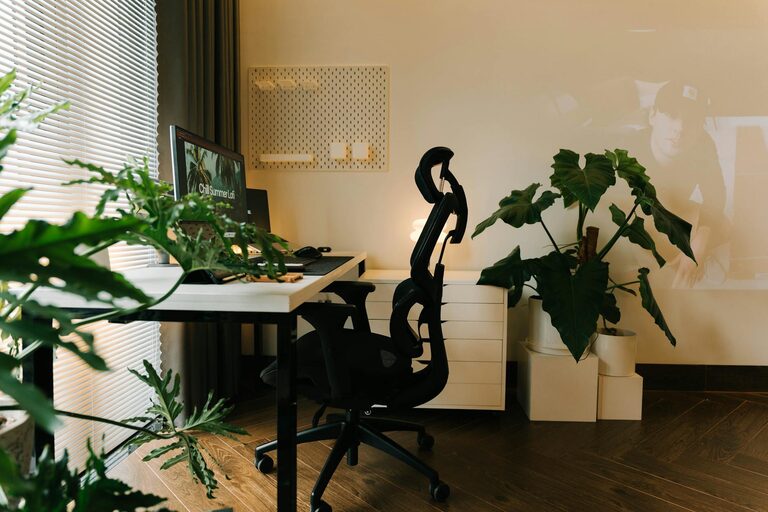
Your desk and chair form the backbone of your work environment. Opt for an ergonomic chair that supports good posture to prevent back pain and fatigue. The desk should be large enough to hold your computer, notebooks, and other essentials without feeling cluttered. Adjustable desks that allow sitting and standing can be an excellent investment to keep you comfortable throughout the day.
Organize Your Workspace
Clutter can be a major productivity killer. Keep your desk tidy by using organizers, drawers, or shelves to store office supplies and documents. Regularly declutter your space to maintain a clean environment. A minimalistic setup often helps reduce distractions and makes it easier to focus on your tasks.
Optimize Technology Setup
Ensure your computer, internet connection, and other devices are reliable and up to the task. A fast internet connection is critical for virtual meetings, uploading files, and efficient communication. Invest in quality accessories like a good keyboard, mouse, and headphones if needed. Position screens to reduce glare and eye strain, and keep cables managed to avoid tangles.
Create Boundaries and Set a Routine
Working from home can blur the boundaries between personal and professional life. Set clear work hours and stick to them to maintain balance. Communicate your schedule with family or housemates to minimize interruptions. Starting your day with a consistent routine—even simple habits like a morning coffee or stretching—can signal your brain that it’s time to work.
Incorporate Personal Touches
While keeping things professional, adding personal touches can make your workspace inviting and comfortable. Artwork, plants, or photos can boost mood and creativity. Plants, in particular, improve air quality and add a refreshing natural element to your office.
Manage Noise and Distractions
Noise can severely impact concentration. If your workspace is noisy, consider noise-canceling headphones or playing background music or white noise to help stay focused. Communication with household members about quiet hours can also help minimize disruptions.
Take Breaks and Move
Remember to take short breaks during your workday. Stand up, stretch, or take a brief walk to reduce stiffness and refresh your mind. Regular breaks improve overall productivity and prevent burnout.
Keep Supplies Close at Hand
Having your essential tools within reach reduces interruptions. This includes pens, notebooks, chargers, and other frequently used items. A well-stocked workspace ensures you can work efficiently without searching for things mid-task.
Use Task Management Tools
To stay organized, consider using digital task managers or planners. These tools help prioritize work, track deadlines, and break large projects into manageable steps. Staying organized digitally complements your physical workspace for maximum efficiency.
—
Creating a productive home office doesn’t require a complete overhaul—small intentional changes can lead to significant improvements. The key is to design a space that suits your work style, encourages focus, and supports your well-being. With these tips, you’re well on your way to a comfortable, efficient, and enjoyable home office experience.