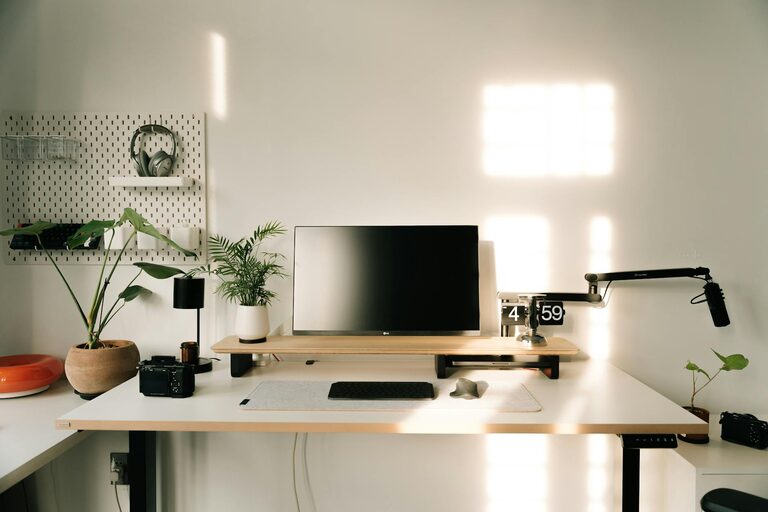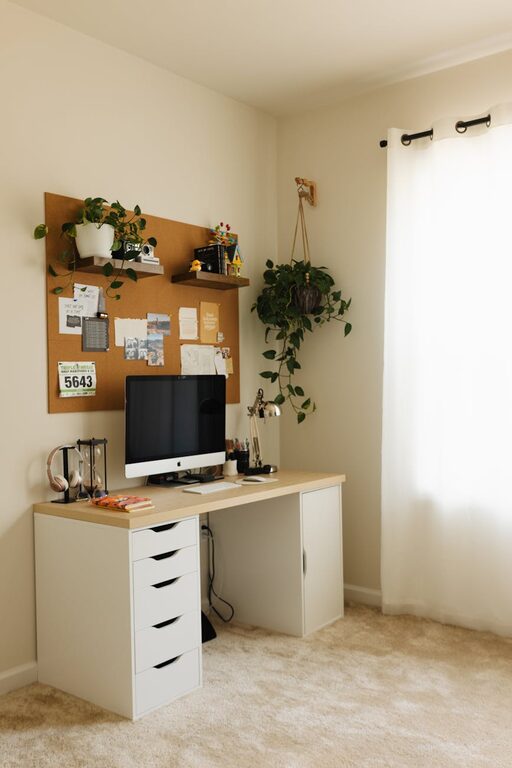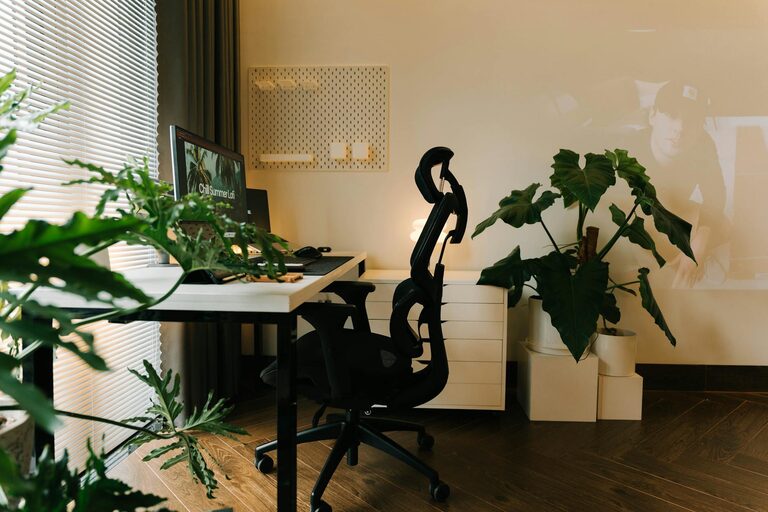
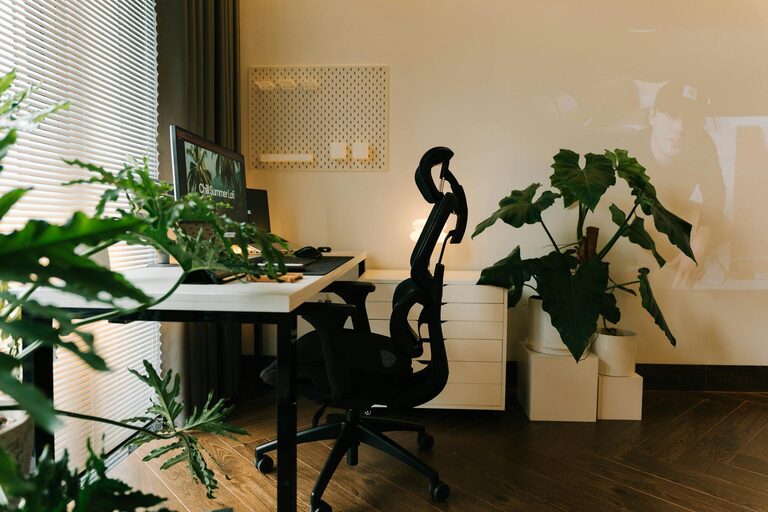
Creating a home office that is both comfortable and productive can greatly enhance your work-from-home experience. Whether you’re new to remote work or simply looking to improve your current setup, a well-designed workspace can help you stay focused, reduce stress, and maintain a healthy work-life balance. Here are some practical tips to guide you in creating the ideal home office space.
Choose the Right Location
Finding the perfect spot for your home office is the first step. Ideally, pick a space that offers enough privacy to minimize distractions. A quiet corner in a spare room, a section of your living room, or even a nook near a window can work well.
Consider Natural Light
Natural light is a great mood enhancer and can reduce eye strain. Position your desk near a window to take advantage of daylight. If natural light is limited, invest in good quality task lighting to brighten your workspace.
Invest in Ergonomic Furniture
Comfort plays a key role in your productivity and overall well-being during work hours. Ergonomic furniture supports good posture and reduces the risk of discomfort or injury.
– Ergonomic Chair: Choose a chair with adjustable height, lumbar support, and comfortable cushioning.
– Desk: Your desk should be at a height where your elbows are at a 90-degree angle when typing.
– Footrest and Accessories: Use a footrest if your feet don’t comfortably touch the floor, and consider monitor stands to keep screens at eye level.
Organize for Efficiency
An organized workspace helps you find what you need quickly and reduces distractions.
– Declutter Regularly: Keep your desk surface clean and free from unnecessary items.
– Storage Solutions: Use shelves, drawers, or filing cabinets to store documents and office supplies.
– Cable Management: Use cable organizers or clips to prevent tangled wires and keep your space tidy.
Personalize Your Workspace
Adding personal touches can make your office space more inviting and motivating.
– Plants: Adding greenery can improve air quality and create a calming environment.
– Artwork and Photos: Display items that inspire you or bring joy.
– Color Choices: Choose colors that promote focus, such as soft blues or greens.
Set Boundaries and Maintain Routine
Creating psychological boundaries helps separate work from personal life, especially when working from home.
– Designated Work Hours: Stick to regular work hours to maintain balance.
– Break Areas: Avoid eating or relaxing at your desk; designate another space for breaks.
– Signaling: Use a sign or signal to let family or housemates know when you’re working to minimize interruptions.
Optimize Technology and Connectivity
Reliable technology is essential for a productive home office.
– High-Speed Internet: Ensure you have a stable and fast internet connection.
– Quality Equipment: Invest in a good computer, headset, webcam, and other tools relevant to your work.
– Backup Plan: Have a backup power source or alternative internet solution in place if possible.
Manage Noise and Improve Acoustics
Noise can be a major distraction, so managing sound is important.
– Noise-Canceling Headphones: Useful if you cannot control background noise.
– Soundproofing: Use rugs, curtains, and soft furnishings to absorb sound.
– White Noise: Consider a white noise machine or app to mask distracting sounds.
Keep the Space Well-Ventilated and Comfortable
Maintaining a pleasant environment impacts your focus and health.
– Air Quality: Open windows regularly or use an air purifier.
– Temperature Control: Adjust heating or cooling to stay comfortable during work hours.
– Humidity: Use a humidifier or dehumidifier if necessary to maintain optimal humidity.
Incorporate Movement and Wellness
Long periods of sitting can harm your health, so incorporate movement into your routine.
– Stretch Breaks: Take short breaks to stretch and move around.
– Standing Desk Options: Consider adjustable desks that allow you to alternate between sitting and standing.
– Exercise Equipment: If space permits, small equipment like a yoga mat or resistance bands can be handy.
—
Creating a home office that supports both comfort and productivity is about customizing the space to fit your needs and working style. By considering location, comfort, organization, and wellness, you can craft a workspace that not only makes work easier but more enjoyable as well. With these tips, you’re well on your way to making your home office your favorite room in the house.