Creating a relaxing home workspace is essential for anyone working remotely or spending long hours at a desk. A well-designed workspace not only boosts productivity but also contributes to your overall comfort and well-being. Here are some helpful tips to design a home office that feels inviting and keeps you focused throughout the day.
Choose the Right Location
Selecting the right spot in your home is the first step toward building a relaxing workspace. Ideally, pick a quiet area with minimal distractions.
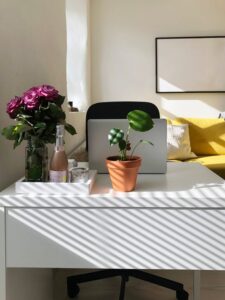
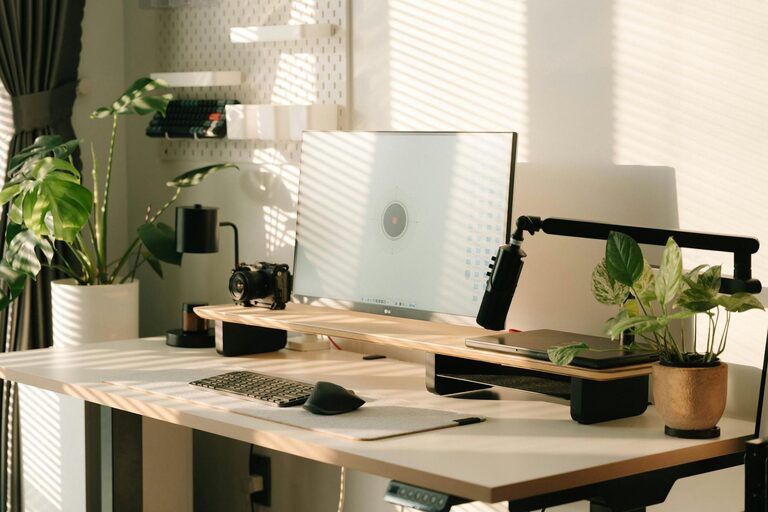
– Natural Light: Work near a window if possible to take advantage of natural light. Sunlight helps improve mood and energy levels.
– Separate Space: If you can, use a dedicated room or corner separate from high-traffic areas to create a boundary between work and home life.
– Quietness: Avoid noisy spots close to TVs, kitchens, or busy hallways for better concentration.
Invest in Comfortable Furniture
Comfort is key when you spend hours working each day. Choose ergonomic furniture that supports good posture and reduces strain.
– Chair: An adjustable office chair with lumbar support helps prevent back pain. Take the time to find one that suits your body.
– Desk: Your desk should be at a comfortable height with enough space for your computer, paperwork, and other tools.
– Footrest: Consider a footrest if your feet don’t comfortably reach the floor to reduce pressure on your legs.
Use Soothing Colors and Decor
Colors impact mood and productivity. Opt for calming tones that create a relaxed atmosphere.
– Colors: Soft blues, greens, and neutral shades work well to evoke calmness.
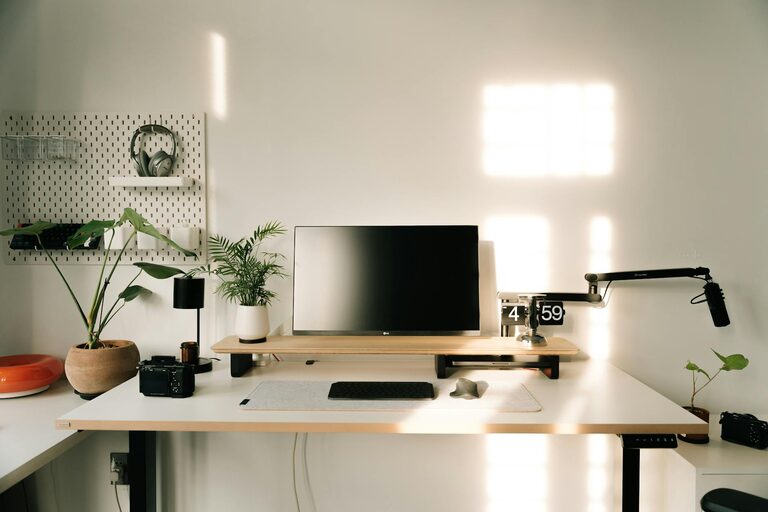
– Plants: Adding a few potted plants improves air quality and adds a touch of nature, which can reduce stress.
– Artwork: Choose simple, inspiring artwork or photographs that bring you joy without being distracting.
Organize and Declutter
A cluttered desk can increase stress and reduce efficiency. Keep your workspace tidy and organized.
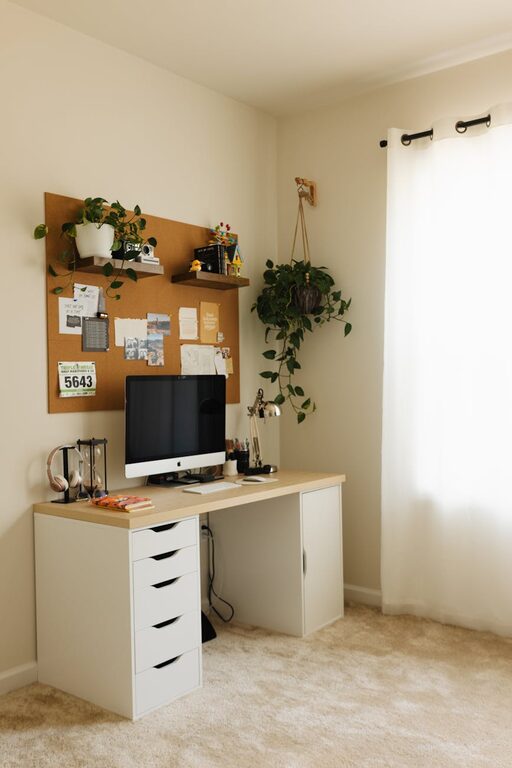
– Storage Solutions: Use shelves, drawers, or file organizers to keep documents and supplies out of sight.
– Daily Cleanup: Spend a few minutes at the end of each day clearing your desk to start fresh tomorrow.
– Minimalism: Keep only essential items within reach to maintain focus.
Manage Lighting
Proper lighting prevents eye strain and helps maintain alertness.
– Task Lighting: Use a desk lamp with adjustable brightness to illuminate your work area without glare.
– Ambient Lighting: Combine natural and artificial light sources to soften the overall room lighting.
– Avoid Screen Glare: Position your computer to minimize reflections and use screen filters if needed.
Incorporate Personal Comfort Touches
Small comforts can make a big difference in how relaxed you feel.
– Temperature Control: Keep your workspace at a comfortable temperature with fans, heaters, or open windows as needed.
– Break Area: If space allows, create a cozy corner with a cushion or chair for short breaks.
– Noise Management: Use noise-canceling headphones or soft background music to block distracting sounds.
Plan Breaks and Movement
Sitting for long periods can be tiring and harmful to your health.
– Regular Breaks: Take short breaks every hour to stand, stretch, or walk around.
– Exercise: Incorporate simple stretches or exercises into your routine to relieve tension.
– Varied Postures: Change your sitting position or consider a standing desk to improve circulation.
Use Technology Wisely
Technology can support a relaxing and productive environment when used thoughtfully.
– Cable Management: Organize cables to avoid tangles and keep your desk neat.
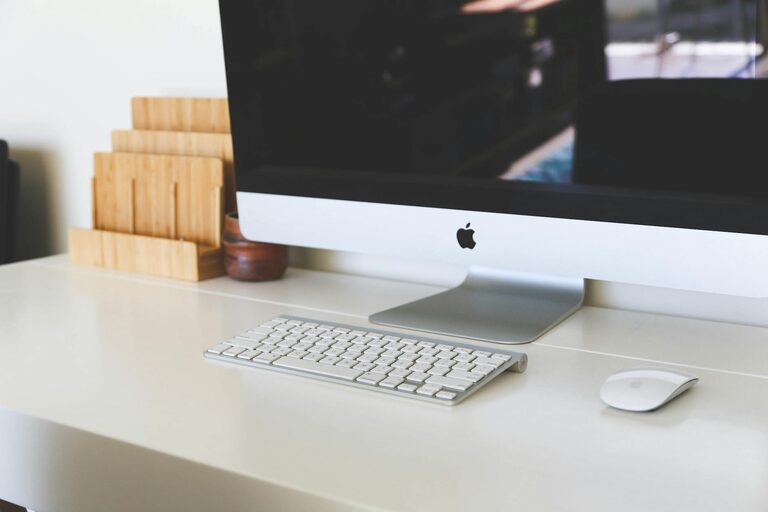
– Quality Equipment: Invest in a good keyboard, mouse, and monitor to reduce physical strain.
– Focus Tools: Use apps or timers that help manage your work time and encourage regular breaks.
Set Boundaries and Routine
Finally, creating clear boundaries between work and home life helps maintain your mental well-being.
– Defined Hours: Stick to a schedule to separate work time from relaxation.
– Communication: Let family or housemates know your working hours to minimize interruptions.
– End-of-Day Ritual: Develop a routine to signal the end of your workday, like tidying your desk or turning off electronics.
—
By thoughtfully designing your home workspace to be relaxing and functional, you’ll create an environment that enhances your comfort and productivity. These tips can help you enjoy your workday while maintaining a healthy balance between work and personal life.