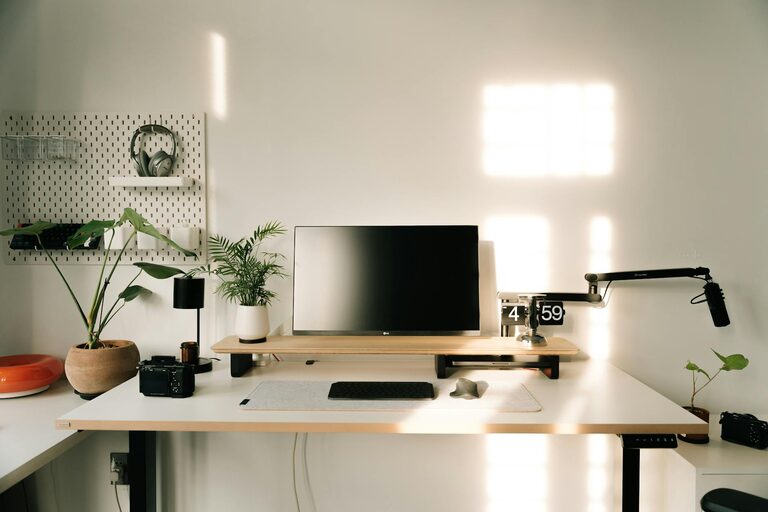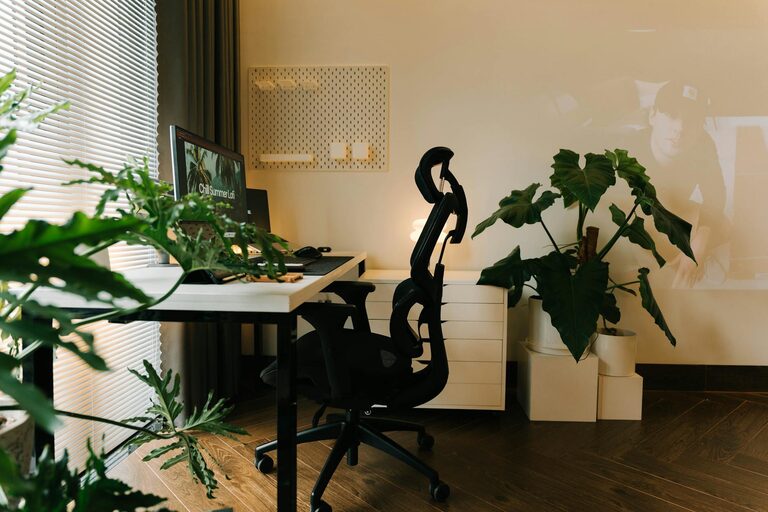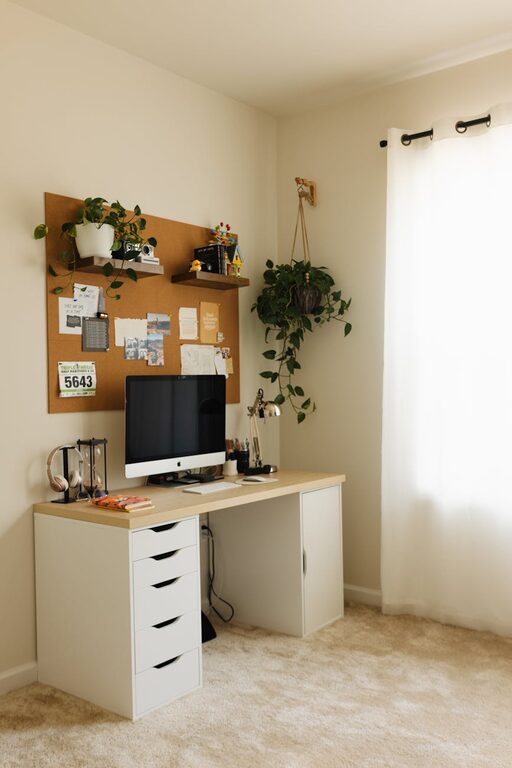
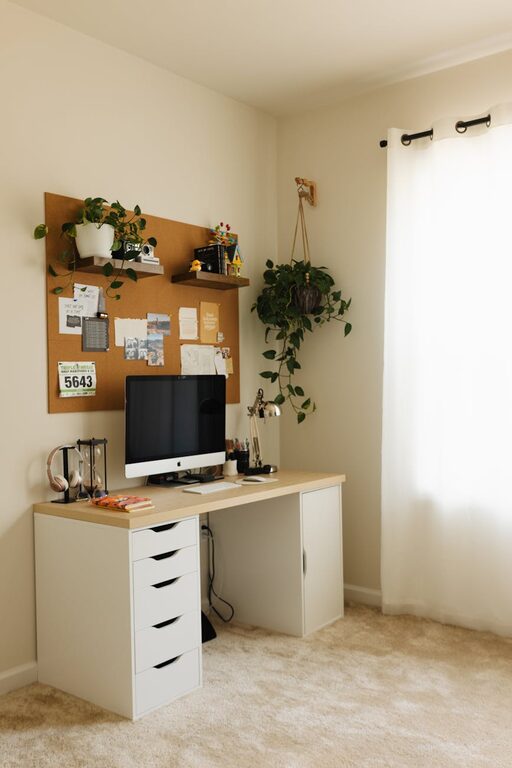
Creating a cozy and productive home workspace is essential for anyone who works from home or spends time on projects and study. A well-designed area can improve focus, reduce stress, and make your workday more enjoyable. Whether you have a dedicated room or a small corner, these tips will help you set up a space that feels inviting and encourages productivity.
Choose the Right Location
Consider Natural Light
Natural light can boost mood, reduce eye strain, and create an open, airy feel. Aim to position your desk near a window if possible. If natural light is limited, use soft artificial lights that mimic daylight, such as LED bulbs with a color temperature around 5000K.
Minimize Distractions
Pick a quiet area where interruptions are less likely. Avoid high-traffic zones like living rooms or kitchens, especially during busy times. Consider noise-canceling headphones or white noise machines if you can’t control sound.
Invest in Comfortable and Functional Furniture
Opt for an Ergonomic Chair
A good chair supports your posture and prevents discomfort during long hours. Look for adjustable seats with lumbar support. Comfort is key to staying productive and avoiding back pain.
Choose a Desk That Fits Your Needs
Your desk should have enough surface area for your computer, documents, and any tools you regularly use. Standing desks or adjustable desks give you the option to sit or stand, which can improve circulation.
Add Storage Solutions
Clutter can distract and stress you out. Use shelves, drawers, or filing cabinets to keep your workspace organized. Baskets or boxes can store smaller items, keeping your desk neat and tidy.
Personalize Your Workspace
Use Calming Colors
Soft hues like blues, greens, or neutrals create a relaxing environment. Choose colors that help you feel calm yet alert.
Include Plants
Indoor plants refresh the air and add a touch of nature. Low-maintenance plants, like succulents or pothos, are great choices. They can boost your mood and reduce stress.
Decorate with Meaningful Items
Incorporate photos, artwork, or inspirational quotes that motivate you. However, avoid over-decorating to keep the space from feeling cluttered.
Control Lighting and Temperature
Layer Lighting
Combine overhead lights with desk lamps and accent lighting. This approach helps reduce eye strain and allows you to adjust lighting based on the task.
Maintain Comfortable Temperature
A room that is too hot or cold can distract you. Use fans, heaters, or air conditioning to keep your workspace comfortable throughout the day.
Establish Organized Systems
Plan Your Workflow
Use calendars, planners, or digital apps to schedule tasks. Keeping a to-do list nearby can help maintain focus.
Cable Management
Tidy up cords and cables with clips or sleeves. This not only improves the aesthetic but also prevents accidents.
Designate Zones
If your space allows, create zones for different activities — a main work area, a reading nook, or a brainstorming corner. This helps you switch tasks efficiently.
Maintain Good Habits
Take Regular Breaks
Even in a cozy space, sitting too long isn’t good for you. Use timers to remind yourself to stand, stretch, and move around.
Keep Your Workspace Clean
Spend a few minutes at the end of each day to tidy up. This habit keeps your area inviting and ready for the next day.
Stay Hydrated and Snack Smart
Keep a water bottle nearby to stay hydrated. Healthy snacks like fruits or nuts can keep your energy steady.
Utilize Technology Wisely
Invest in Quality Equipment
Reliable hardware — such as a good keyboard, mouse, and monitor — can make work smoother and reduce fatigue.
Use Productivity Tools
Apps that block distracting websites, organize tasks, or manage time can help maintain focus.
—
Creating a cozy and productive home workspace is about balancing comfort with function. With the right setup and habits, your home office can become a place you look forward to being in every day. Whether you have a spacious room or a small desk in the corner, applying these tips will help you create a working environment that supports your goals and well-being.